
17042 and 17046 · Lebanon County
Plumbers in Lebanon, PA
Lebanon city has the oldest housing stock in the county, which shapes almost every plumbing problem here. We cover 17042 and 17046, on the rowhomes and older stock that make up most of the city.
Local detail
Common plumbing needs in Lebanon
01
Galvanized supply that has closed up
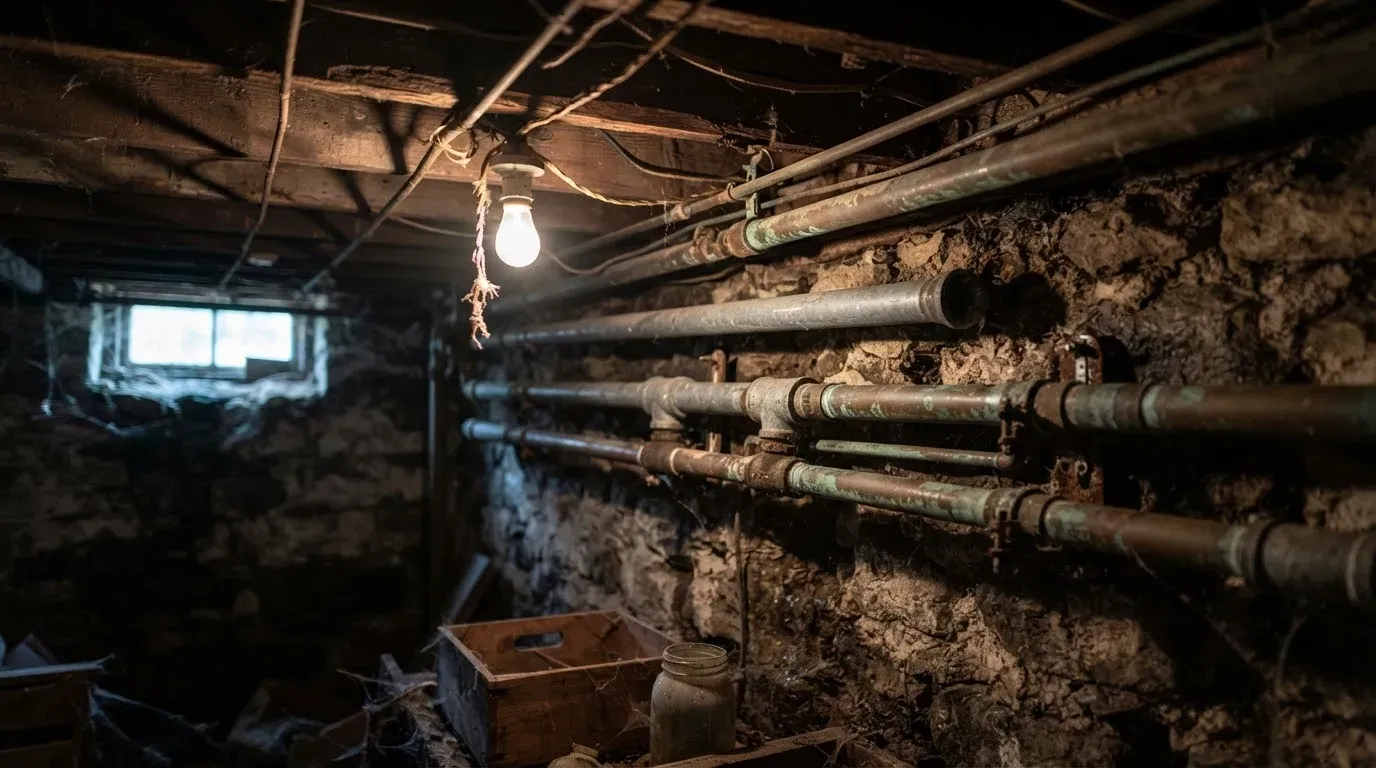
The defining problem in the city's pre-war rowhomes. Pressure fades upstairs, hot water browns after the house has stood empty, and flow collapses when a second faucet opens. It is gradual enough that households stop noticing.
02
Cast iron waste stacks and laterals
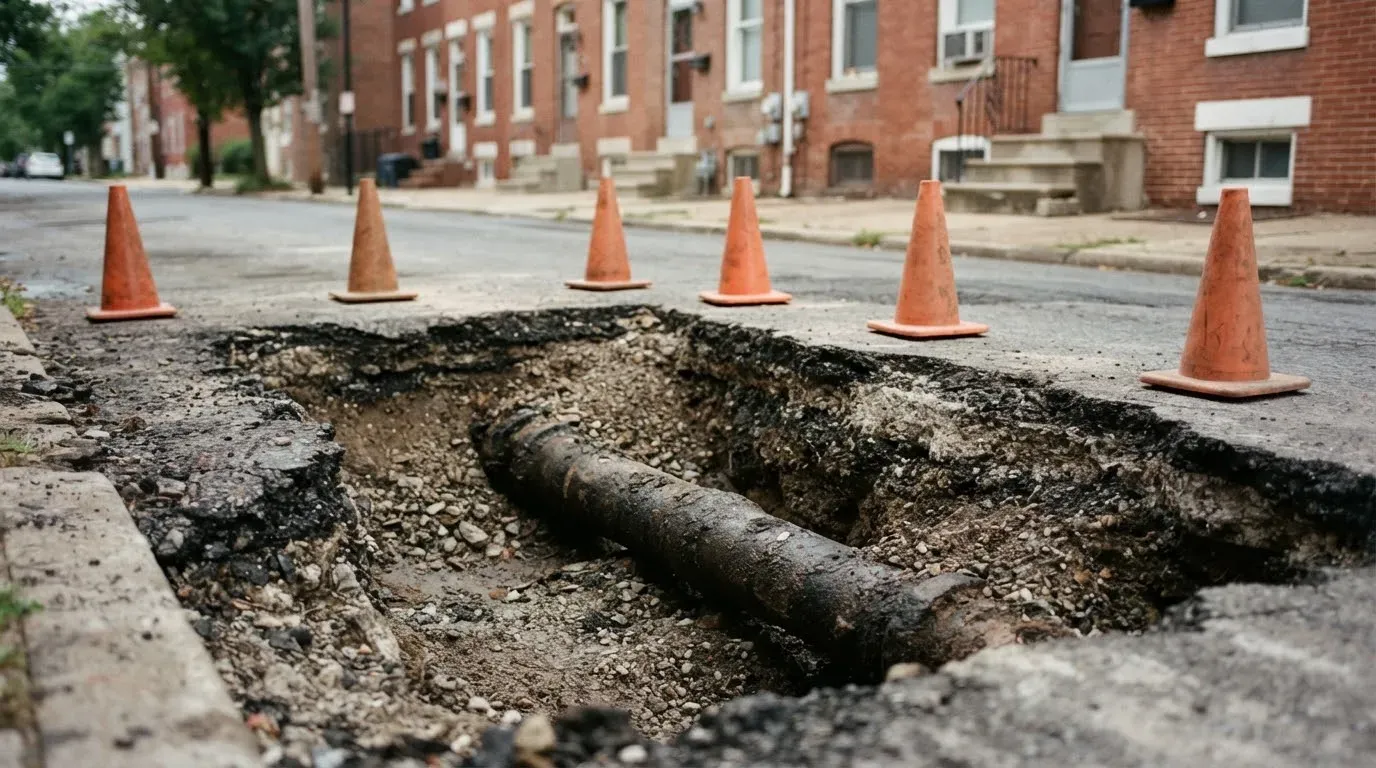
Rusting rough on the inside until they catch everything passing through. Laterals here are frequently cast iron near the building and an older material further out, running under narrow streets.
03
Lead and galvanized service lines
Because service line age tracks the age of the connection, the city is where lead and galvanized supply lines are most likely to turn up in the county. Short front yards mean the customer-owned run is often only a few feet.
04
Freeze damage in uninsulated walls
Rowhomes were built without insulated cavities, and later additions put supply lines through unheated back rooms and enclosed porches. Every hard freeze produces burst calls from exactly those places.
Most requested
What Lebanon calls us about
Lead service line replacement
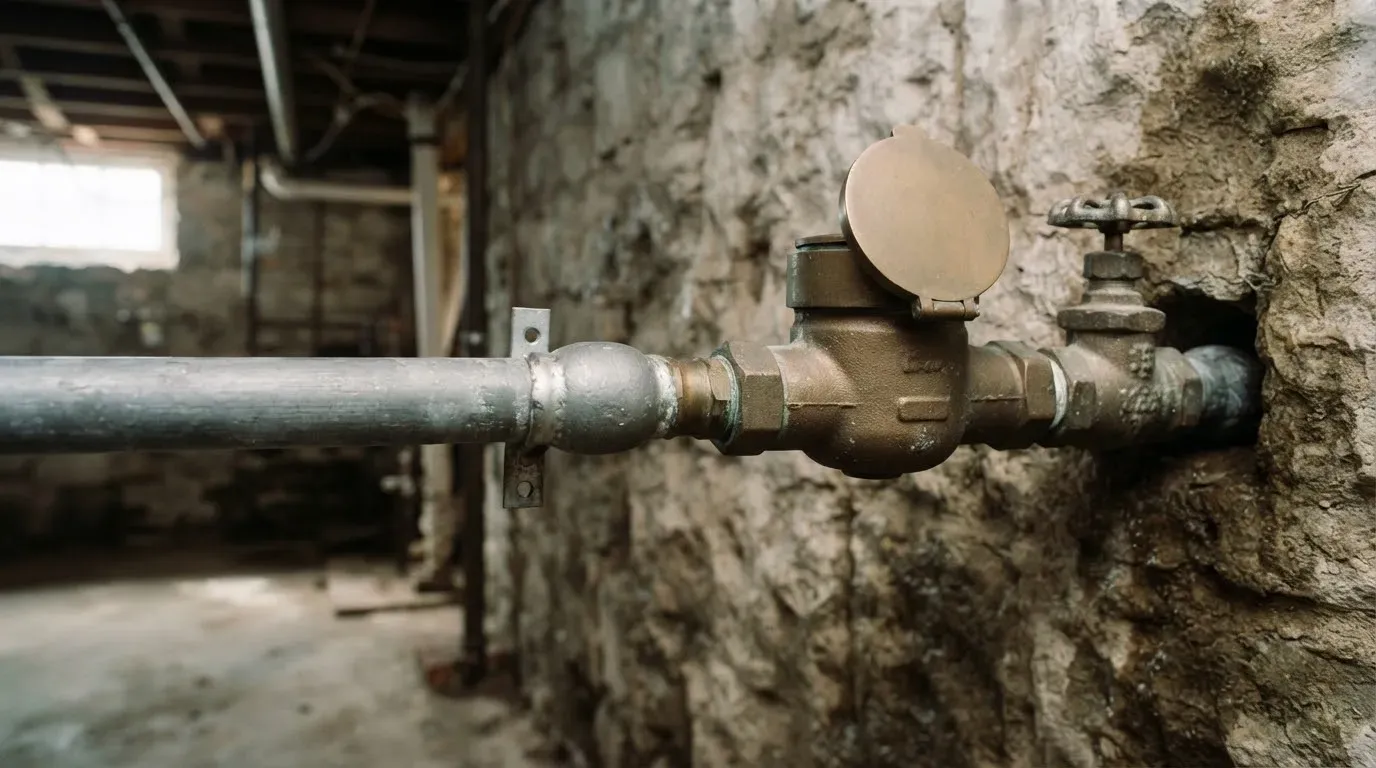
If your water authority wrote to you, the buried run from the curb stop into your house is the part in question. Which utility serves your address decides who handles it, so tell us the address when you call and we will check before anything is booked.
Sewer line repair
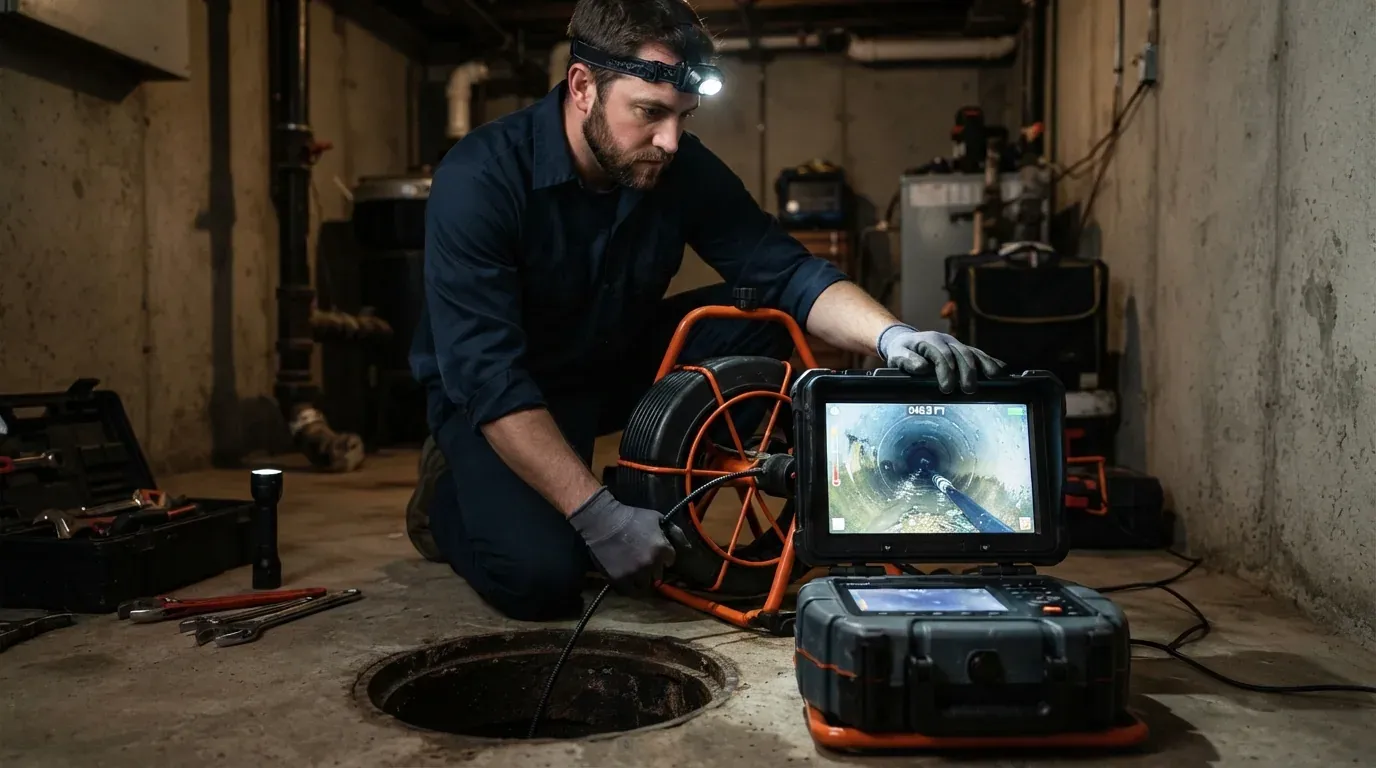
The lateral from your house to the main is the property owner's responsibility in most Lebanon County municipalities. It gets a camera before anyone decides how to fix it.
Emergency plumbing
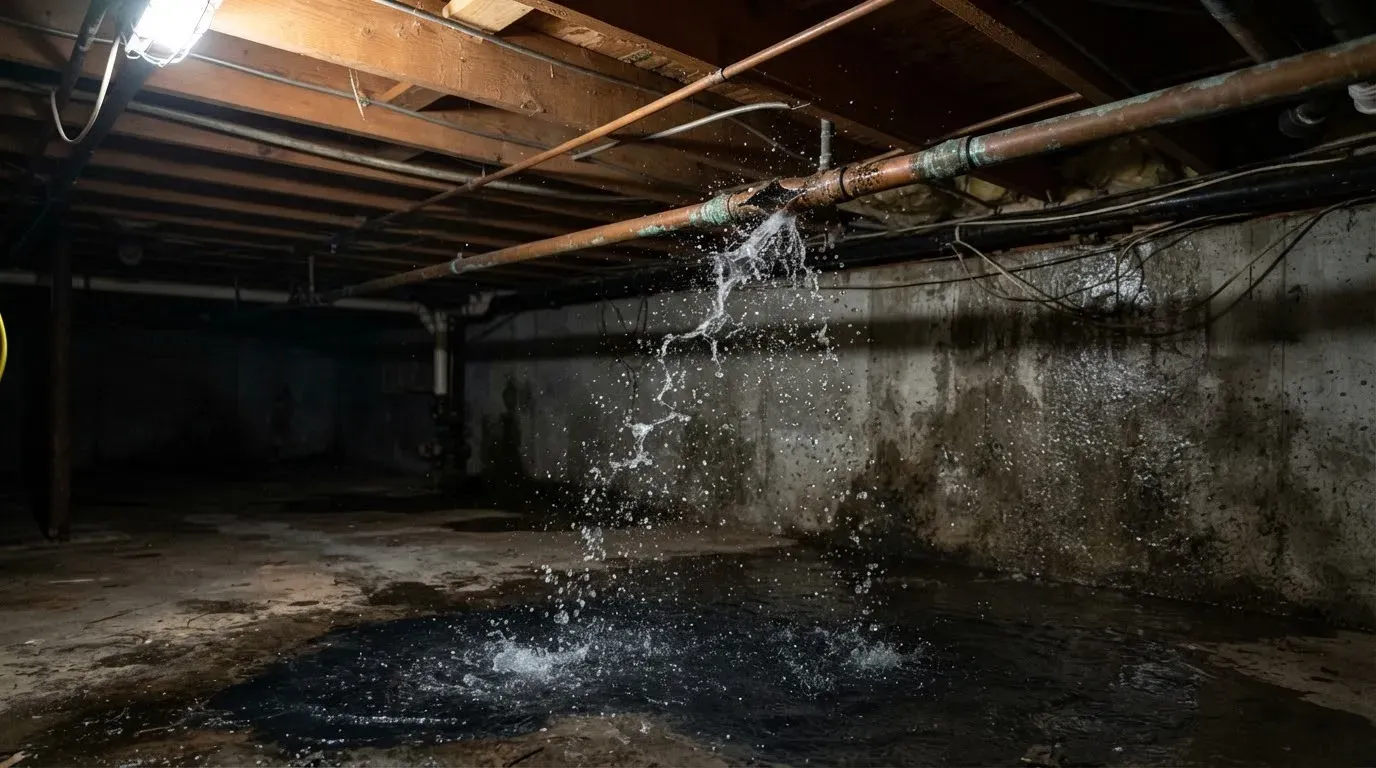
When water is coming in and you cannot stop it, the first ninety seconds matter more than who you call. Shut it off, then call us.
What plumbing in the city actually looks like
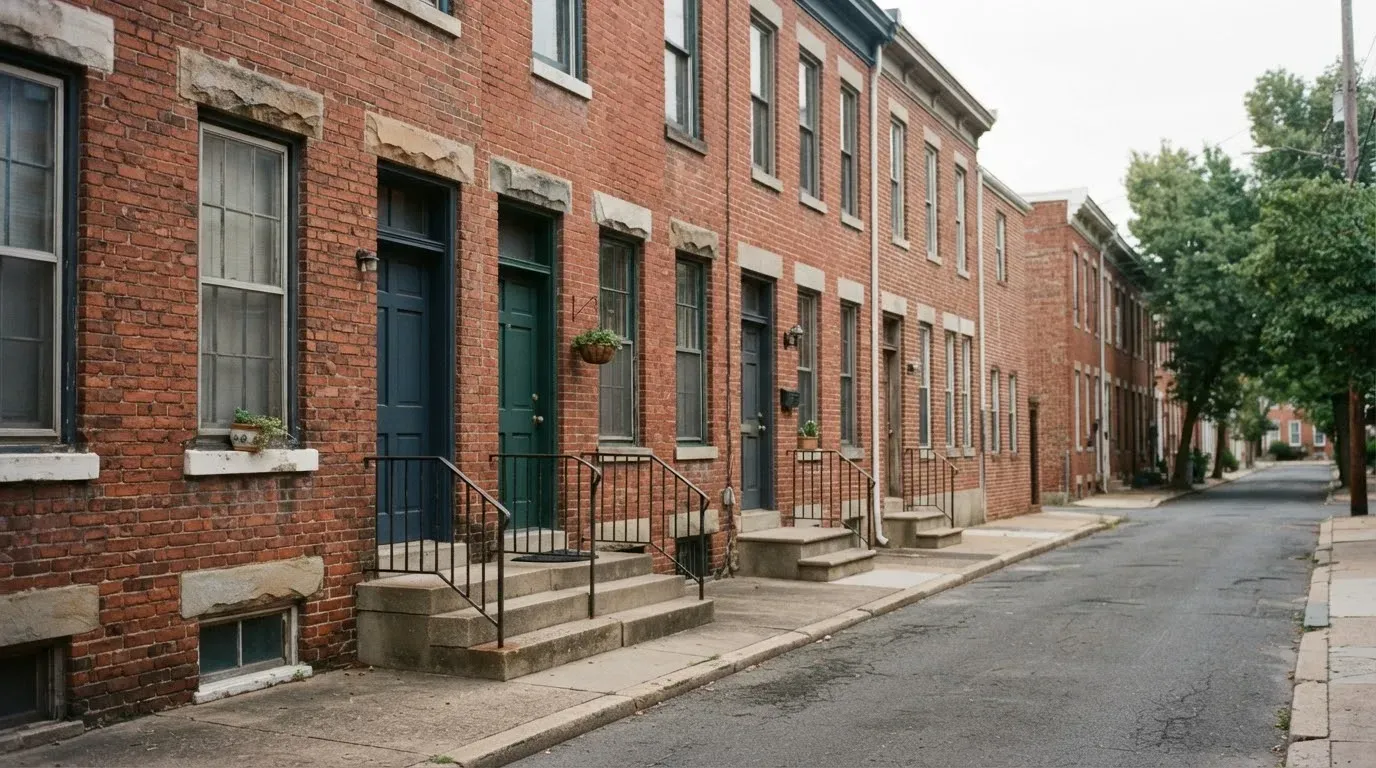
Lebanon is the county seat and by some distance its densest housing. A large share of the city was built before the Second World War, and attached brick rowhomes are the defining housing type across neighborhoods on either side of Cumberland Street, in both 17042 and 17046. That age is the single most useful thing to know about plumbing here, because it predicts most of what goes wrong.
Houses of that vintage were originally plumbed in galvanized steel supply and cast iron waste. Both have finite lives, and both are now well past them. Galvanized corrodes closed from the inside, which is why upstairs pressure fades, why hot water browns after the house has sat empty a few days, and why running two fixtures at once collapses the flow. Cast iron waste stacks rust from the inside out, roughening until they catch everything that passes.
Much of that piping has been replaced piecemeal over the decades, usually a section at a time when something failed. The result in a typical city house is a mix: copper here, plastic there, and an original galvanized branch still feeding a back bedroom. Finding the remaining original run is often the fix.
Service lines and the water authority
Lebanon city is supplied by the City of Lebanon Authority, and in November 2025 it said more than 10,000 customers would get a letter about the pipe running from the curb into the house. Of those, 8,682 are customer-side lines its records put down as galvanized iron, lead or unknown.
Unknown dominates that list because the authority never had reason to record what those pipes were made of. The letter is not a finding about your pipe. It is a question the authority cannot answer from its own files, and our guide to service lines covers what each category means and how to settle yours with a coin and a magnet.
The age of the connections here is why the city is where lead and galvanized lines are most likely to turn up in the county. If the pipe does need replacing, the service line replacement page covers how that is done and what it does to a short city front yard.
The ownership split matters more in the city than elsewhere for a practical reason: front yards are short. The customer-owned run from the curb stop to the house is often a matter of feet rather than tens of feet, which changes the calculation on excavation considerably.
Sewer laterals under old streets
Laterals in the city are frequently cast iron close to the building and an older material further out, and they run under narrow streets with everything else. Two consequences follow.
Root intrusion is common wherever a street tree sits over the line, and it enters through joints that have already opened rather than causing the failure itself. And access for excavation is harder here than in a township, because the trench often crosses a sidewalk or reaches into the cartway, which brings permits and traffic control into a job that would be straightforward on an open lot. Which body issues that permit depends on where you are: see sewer lateral permits in Lebanon County.
This is why a camera inspection earns its keep in the city specifically. Knowing whether the defect is six feet out or thirty is the difference between a morning’s work and a street opening. The sewer line page covers the options.
Winter, and old exterior walls
Rowhomes were not built with insulated cavities, and supply lines run in places nobody would put them today: along exterior walls, through unheated back additions, into enclosed porches that were closed in later. Every hard freeze produces a run of burst pipe calls from exactly those locations.
The preventive steps are dull and they work. Disconnect and drain hose bibs before the first freeze, insulate anything running through an unheated back room or crawl space, and open cabinet doors under sinks on exterior walls during a cold snap. If a pipe does burst, the main shutoff is usually on the street-facing basement wall near the meter, and it is worth locating it before you need it. The emergency page has the full sequence.
Booking a visit in the city
The street, what the problem is doing, and the rough age of the house if you know it. In a city built this heavily in rowhomes, the age is the fastest clue to what the supply pipe is made of, and it often decides whether this is a repair or a length of original galvanized that needs replacing.
Is this site about Lebanon County or Mt. Lebanon near Pittsburgh?
My rowhome shares a wall with the neighbors. Does that complicate plumbing work?
Do lead service lines mostly affect the older parts of the city?
Who do I call about a sewer backup, the city or a plumber?
A pipe burst in my rowhome overnight. Who do I call?
Plumbing in towns near Lebanon
More of Lebanon County
Each town page covers what is different about the water and the housing there.
- Cornwall 17016
- Palmyra 17078
- Annville 17003
- Campbelltown 17010
- Myerstown 17067
- Richland 17087
- Newmanstown 17073
- Schaefferstown 17088
- Jonestown 17038
- Fredericksburg 17026
Ready when you are
Pipe split in a back addition? Call any hour
Tell us what is going wrong and we'll get a licensed plumber out to look at it. Nothing gets done until you've agreed to it.
- Licensed and insured plumbers
- Residential and commercial
- No hidden fees
Talk to a plumber
Tell us what is going wrong and we will arrange a visit.
Rather not call? Request service online
24/7 emergency service calls. The online form is not watched around the clock. If it is urgent, call.