
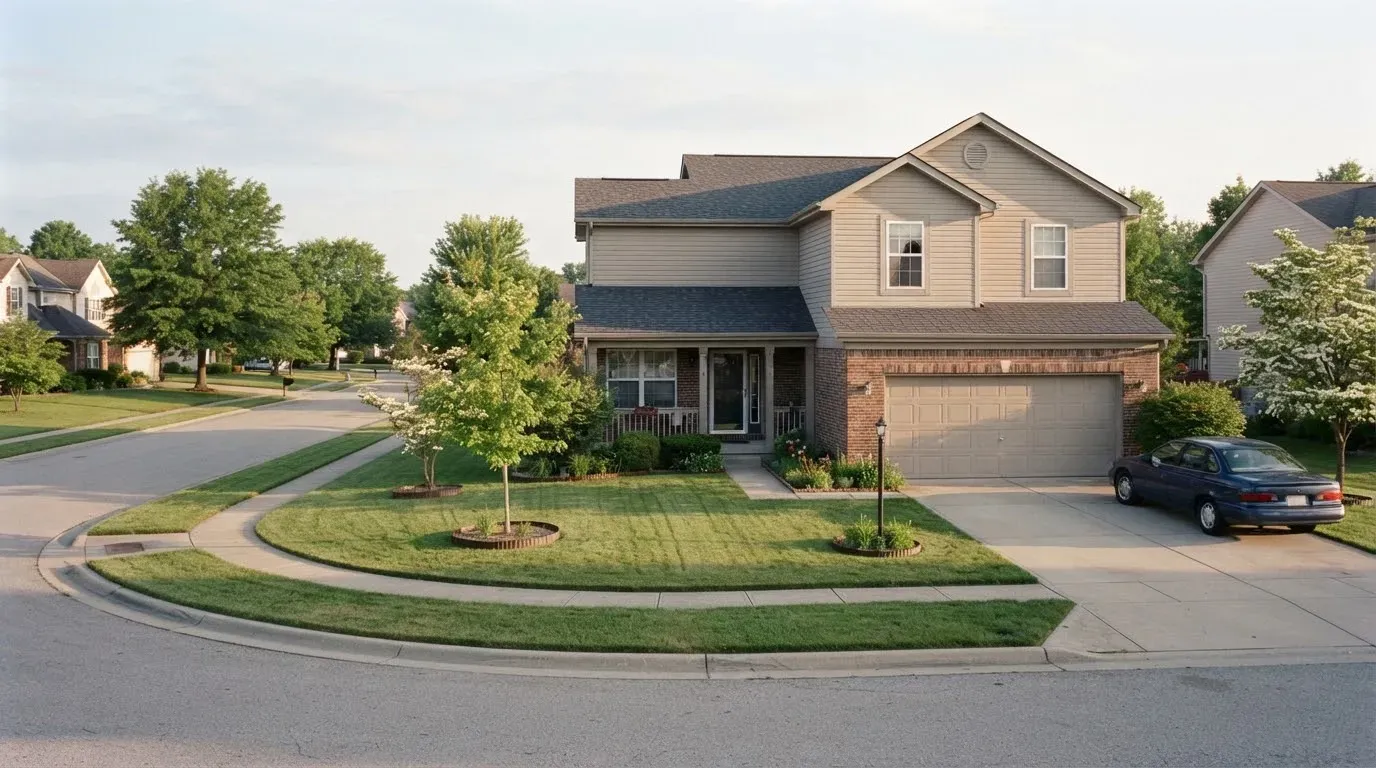
17078 · Lebanon County
Plumbers in Palmyra, PA
Palmyra splits neatly into an older borough core and decades of newer development around it, and the two have almost opposite plumbing profiles. We cover 17078, on both the older core and the newer subdivisions.
Local detail
Common plumbing needs in Palmyra
01
Two housing eras, two problem sets
The older core near Main Street has corrosion-driven faults: fading pressure, discolored water, rusting waste stacks. The newer developments have equipment-driven ones: water heaters, valves, appliance connections and slab or crawl space leaks.
02
Water heaters and mineral sediment
Palmyra's water comes from Pennsylvania American Water's Hershey system, drawn from Swatara and Manada Creeks, and it carries a moderate mineral load that varies with the creeks. That is enough to leave sediment on a tank floor, where it insulates the burner and shortens tank life.
03
Slab and crawl space leaks
More common in the postwar and later construction here than in the older city stock, because supply lines run under concrete rather than through accessible basements.
04
Service line letters on newer supply
The federal inventory covered Pennsylvania American Water too, so Palmyra addresses received notifications. The older core is where lead or galvanized is plausible; the newer subdivisions were connected in materials that do not raise the question.
Most requested
What Palmyra calls us about
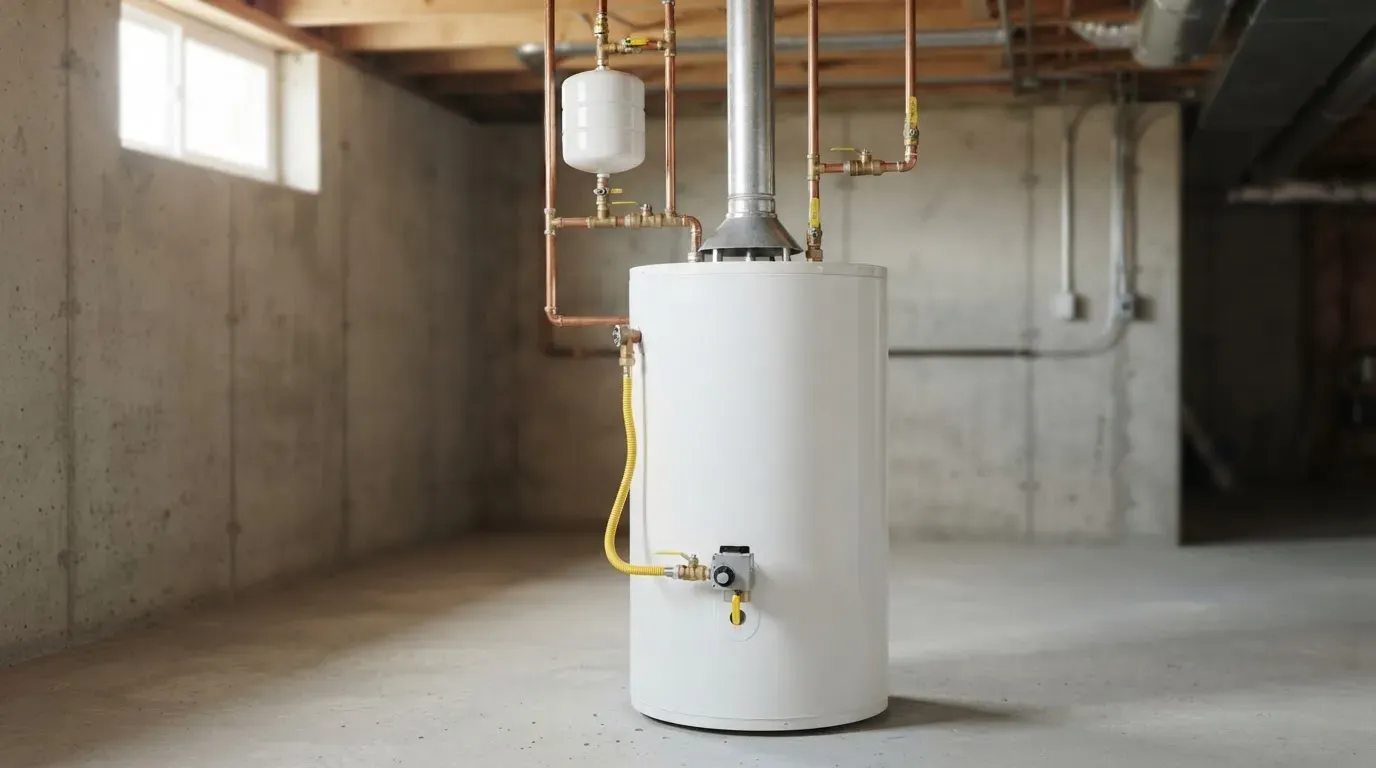
Water heater replacement
A replacement is a chance to fix what was wrong with the original installation, not just to put the same thing back in the same place.
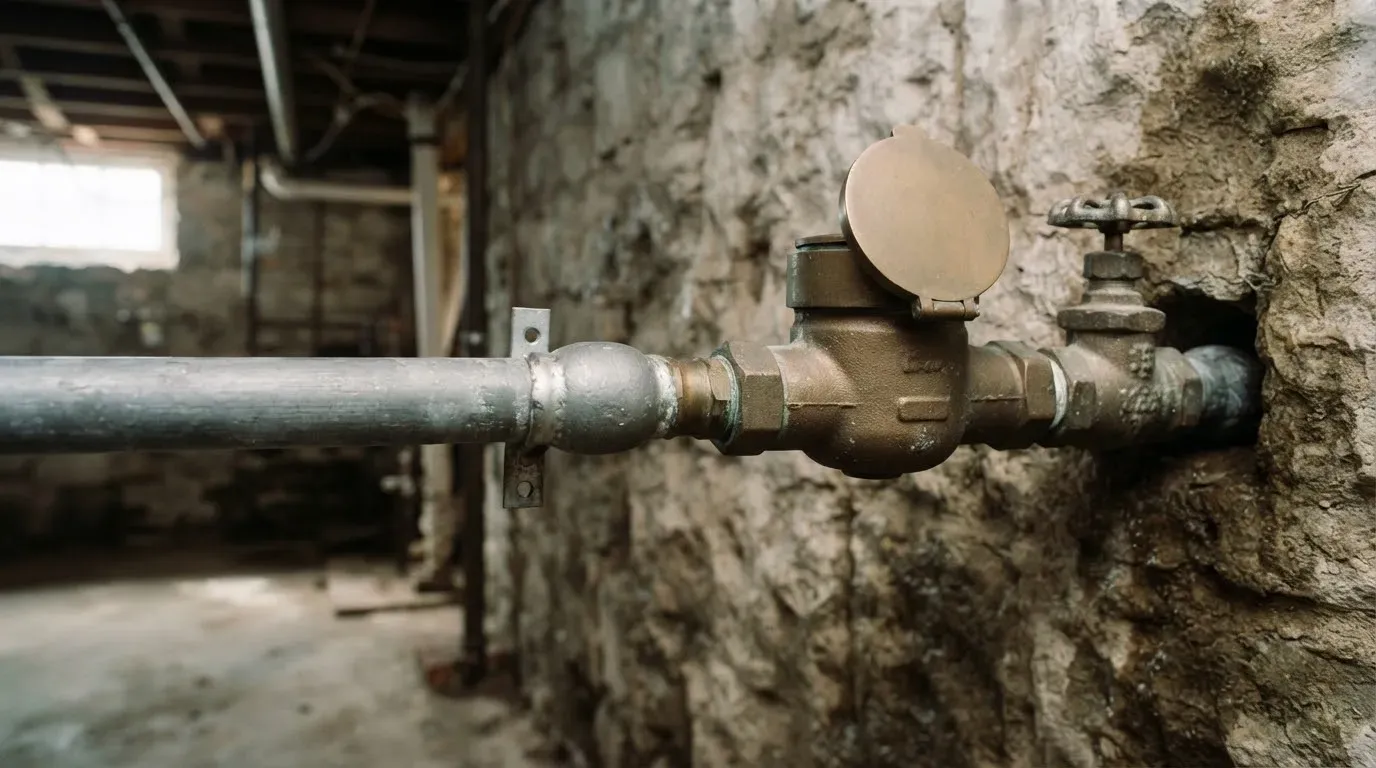
Lead service line replacement
If your water authority wrote to you, the buried run from the curb stop into your house is the part in question. Which utility serves your address decides who handles it, so tell us the address when you call and we will check before anything is booked.
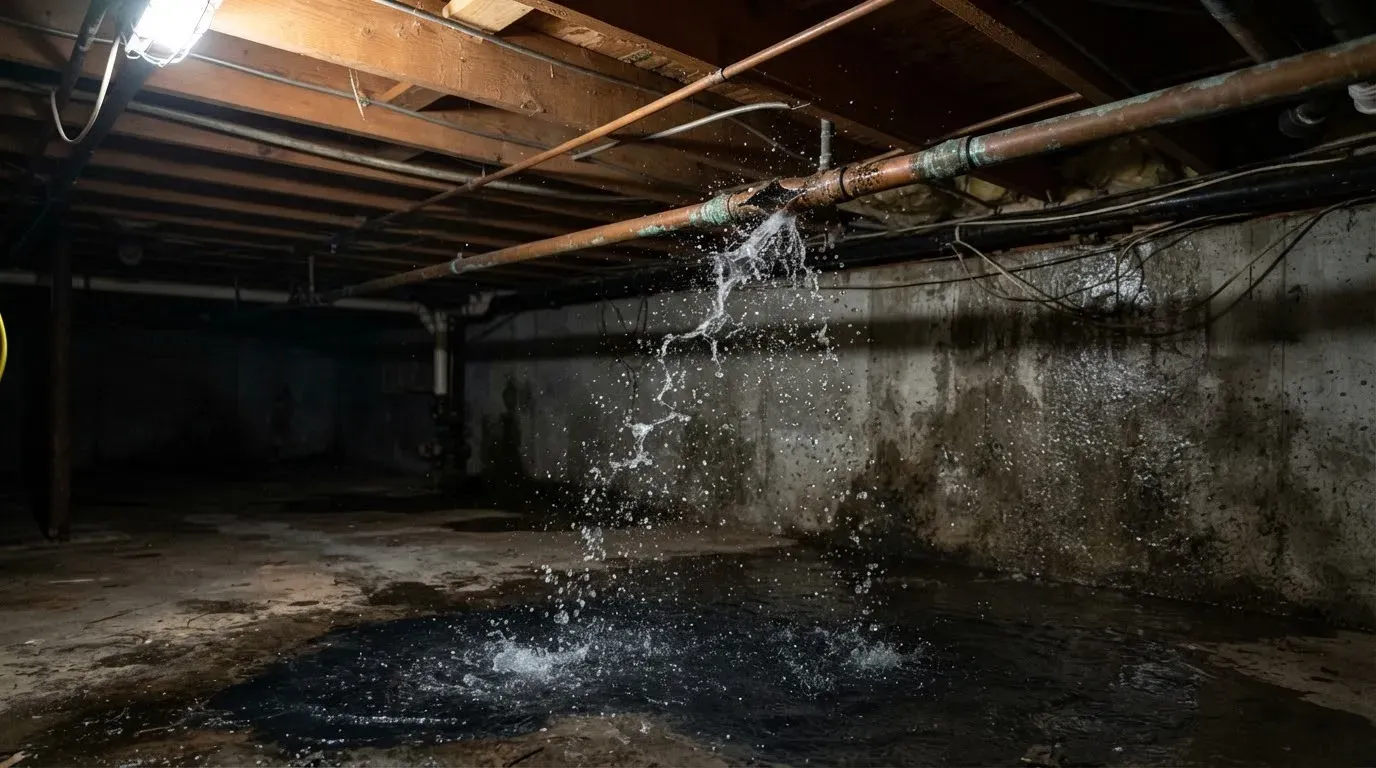
Emergency plumbing
When water is coming in and you cannot stop it, the first ninety seconds matter more than who you call. Shut it off, then call us.
The borough core and the newer edge
Palmyra, 17078, is unusual in the county for how cleanly it divides. There is the older borough core, laid out along Main Street with the compact lots and closely spaced homes that go with a nineteenth and early twentieth century town. Then there is everything built since, a steady expansion of postwar and later subdivisions spreading out from that core, driven substantially by the borough’s position next to Hershey.
That proximity is the reason Palmyra keeps growing. A great many households here work in Hershey and Derry Township, minutes away over the Dauphin County line, and the borough has absorbed the demand that comes with that. The result is a housing stock with a wide spread of ages, and a plumbing profile that depends heavily on which part of it you live in.
In the older core, expect the problems of original galvanized supply and cast iron waste: pressure that has faded over years, brown water after the house sits, waste stacks that catch and block. Retrofits over the decades mean most of these houses are now a patchwork of materials, and locating the surviving original run is usually the job.
In the newer developments, the pipe itself is generally fine and the failures are equipment. Water heaters reaching the end of their service life, fixture and valve failures, supply line connections to appliances, and the occasional leak in a crawl space or under a slab.
Creek water, and sediment in the water heater
Palmyra and much of the western side of the county are served by Pennsylvania American Water. The borough is on its Hershey system, which treats water drawn from Swatara and Manada Creeks. Being on a public supply means somebody is testing and treating your water and reporting on it annually, which is a real difference from the well properties out in the townships.
It does not exempt you from mineral content. Dissolved minerals are what put scale on kettles, spots on glassware and sediment in the bottom of water heaters. Sediment in the heater is the one that matters, because a scale layer insulates the burner from the water and shortens the life of the tank. Flushing the tank annually and keeping an eye on the anode rod is genuinely worth the trouble here. The water heater page covers the detail. On the sewer side, permits are a municipal matter rather than a county one: see sewer lateral permits.

Sinkholes, and the half of the cause that is plumbing
Palmyra sits on the limestone belt, and about a third of Lebanon County does. That geology is the reason sinkholes happen here and it is nobody’s fault.
The second cause is the one worth a homeowner’s attention. In August 2026 a geologist told Palmyra Borough Council that limestone is the first cause of sinkholes in the borough and that leaking utility lines, water, sanitary sewer and stormwater, are a close second. A pipe leaking underground washes soil into the voids in the rock, continuously and invisibly, and that is what turns a slow geological process into a hole in somebody’s yard.
So a leak on this ground is not only a water bill problem. The signs to take seriously outdoors are a patch of lawn that stays green or soft when the rest is dry, ground settling along the line of a pipe or around a cleanout, a dip that keeps needing topped up, and a sewage smell outside with nothing wrong indoors.
Any of those on a Palmyra property is worth locating properly, or a camera run down the lateral, before the ground decides the timing for you. We have written up how a leaking pipe contributes to a sinkhole in more detail.
Lead service lines apply here too
The federal service line inventory requirement covered every public water system, Pennsylvania American Water included. If your address is in the lead, may-contain-lead or unknown categories, you should have been contacted.
The older core is where lead and galvanized service lines are most plausible in Palmyra, for the same reason as everywhere else: the age of the connection. Newer developments were connected in materials that do not raise the question. Either way, the five minute check with a coin and a magnet settles it, and our lead service line guide explains what each result means and who handles which half of the line.

The age of the house narrows it down
Roughly when it was built, plus what is going wrong, usually tells us what the supply and waste are likely to be before anyone arrives. The borough core and the postwar streets fail in different ways. If water is coming in and you cannot stop it, shut the main off and see the emergency page first.
Why does the age of my Palmyra house matter so much for plumbing?
I am on Pennsylvania American Water. Did the lead service line letters apply to me too?
Is Palmyra in Lebanon County or Dauphin County?
My water pressure dropped suddenly across the whole house. What is that?
Is there an emergency plumber for Palmyra at night?
Plumbing in towns near Palmyra
More of Lebanon County
Each town page covers what is different about the water and the housing there.
- Lebanon 17046
- Cornwall 17016
- Annville 17003
- Campbelltown 17010
- Myerstown 17067
- Richland 17087
- Newmanstown 17073
- Schaefferstown 17088
- Jonestown 17038
- Fredericksburg 17026
Ready when you are
Water heater leaking in Palmyra? Call now
Tell us what is going wrong and we'll get a licensed plumber out to look at it. Nothing gets done until you've agreed to it.
- Licensed and insured plumbers
- Residential and commercial
- No hidden fees
Talk to a plumber
Tell us what is going wrong and we will arrange a visit.
Rather not call? Request service online
24/7 emergency service calls. The online form is not watched around the clock. If it is urgent, call.